The Cold Drawing Process for Steel Bars and Wire
Raw Stock
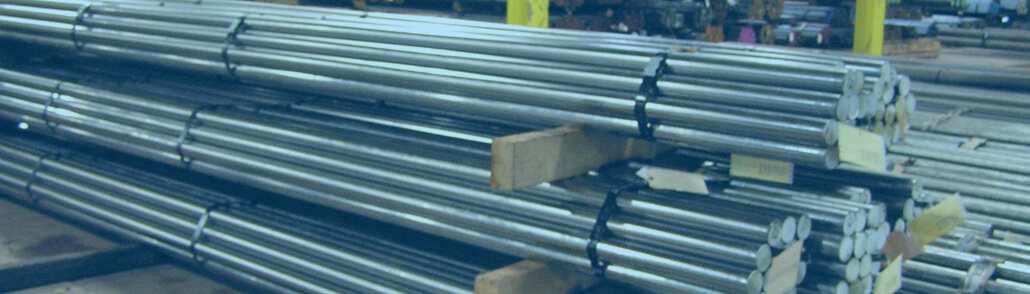
Coils of hot-rolled steel bars or rods are utilized as the basic component. The hot-rolled goods often have a rough and scaled surface and may also show variations in section and size because they are made at high temperatures.
Cleaning & Coating
- On the surface of the hot-rolled rough stock, abrasive scale (iron oxide) is eliminated.
- To facilitate cold drawing, a drawing lubricant is applied to the surface of the bar or coil.
Pointing
Swaging or extrusion is used to reduce the size of the lead ends of the bar or coil by several inches so that it may freely pass through the drawing die. Because the die opening is always less than the initial bar or coil section size, this is done.
Drawing
The material being pulled in this procedure is at room temperature (i.e. Cold-Drawn). The drawing machine’s gripping device receives the bar or coil’s pointed or reduced end, which is smaller than the die opening and passes through the die. The remaining portion of the bar or coil that has not been reduced is pulled or drawn through the die by the drawing machine. The die increases the length of the original product while decreasing the cross-section of the original bar or coil and shaping its profile.
Finished Product
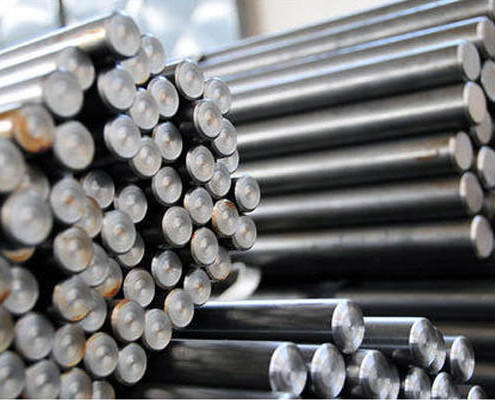
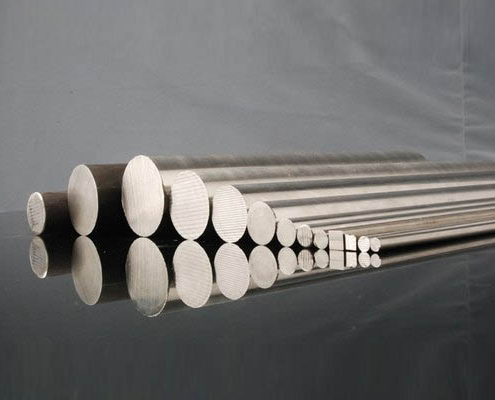
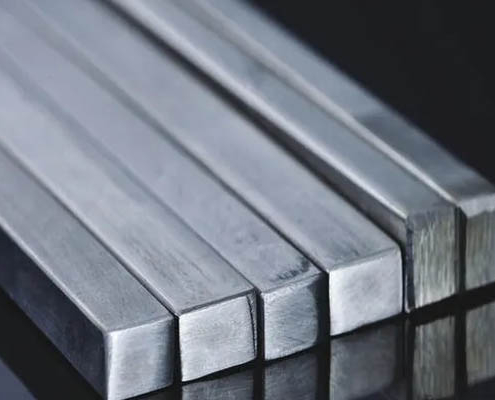
The drawn product, also known as cold drawn or cold finished, has a bright or polished finish, better machining qualities, increased mechanical properties, and consistent, accurate dimensional tolerances.
Annealing
This heating process is typically used to remove internal tensions from the finished product, soften the material being drawn, and/or change the steel’s microstructure, mechanical properties, and machining characteristics. Annealing can be applied before, during, or after cold drawing depending on the final product’s desired features and the amount of material needed.

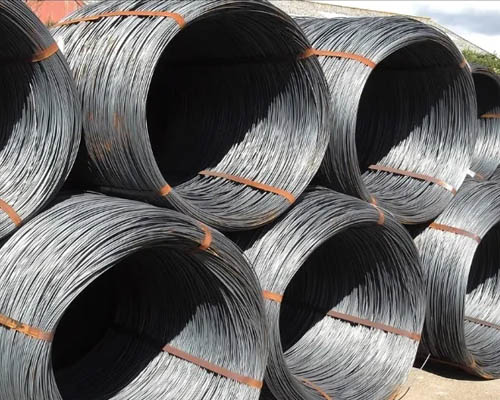
 https://www.vtechbrightsteel.in/wp-content/uploads/2022/08/MS-Drawn-Wire-Coil-Manufacturing-in-Chennai.jpg
400
500
kvtmahal_vtech
https://www.vtechbrightsteel.in/wp-content/uploads/2022/08/Main-logo.png
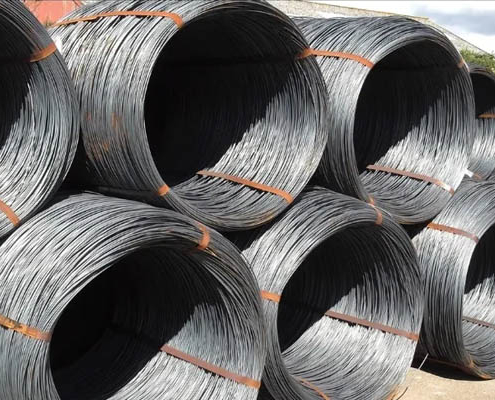
kvtmahal_vtech2022-08-27 06:42:182022-08-27 06:50:55MS Drawn Wire Coil Manufacturing in Chennai
https://www.vtechbrightsteel.in/wp-content/uploads/2022/08/MS-Drawn-Wire-Coil-Manufacturing-in-Chennai.jpg
400
500
kvtmahal_vtech
https://www.vtechbrightsteel.in/wp-content/uploads/2022/08/Main-logo.png
kvtmahal_vtech2022-08-27 06:42:182022-08-27 06:50:55MS Drawn Wire Coil Manufacturing in Chennai